We're good at counting what we deliver, like land released, dwellings built, dollars spent and return on investment. These things are easy to measure because they're concrete and they're done by the time a project is handed over, and they matter because government should be accountable for them. What they don't tell us is whether a place is working for the people who live there, whether it's loved, or whether neighbours know each other's names.
It was a busy week, but I couldn't miss the "Are We Measuring Canberra All Wrong?" session at the Craft + Design Canberra Festival, hosted by the Suburban Land Agency and Salon Canberra. I loved the conversation, and so much of it resonated with me. It was all good thinking for how we plan places that take into account the nuances of the people who live there, especially the people who are less seen, so we build inclusive, accessible communities that work now and into the future.
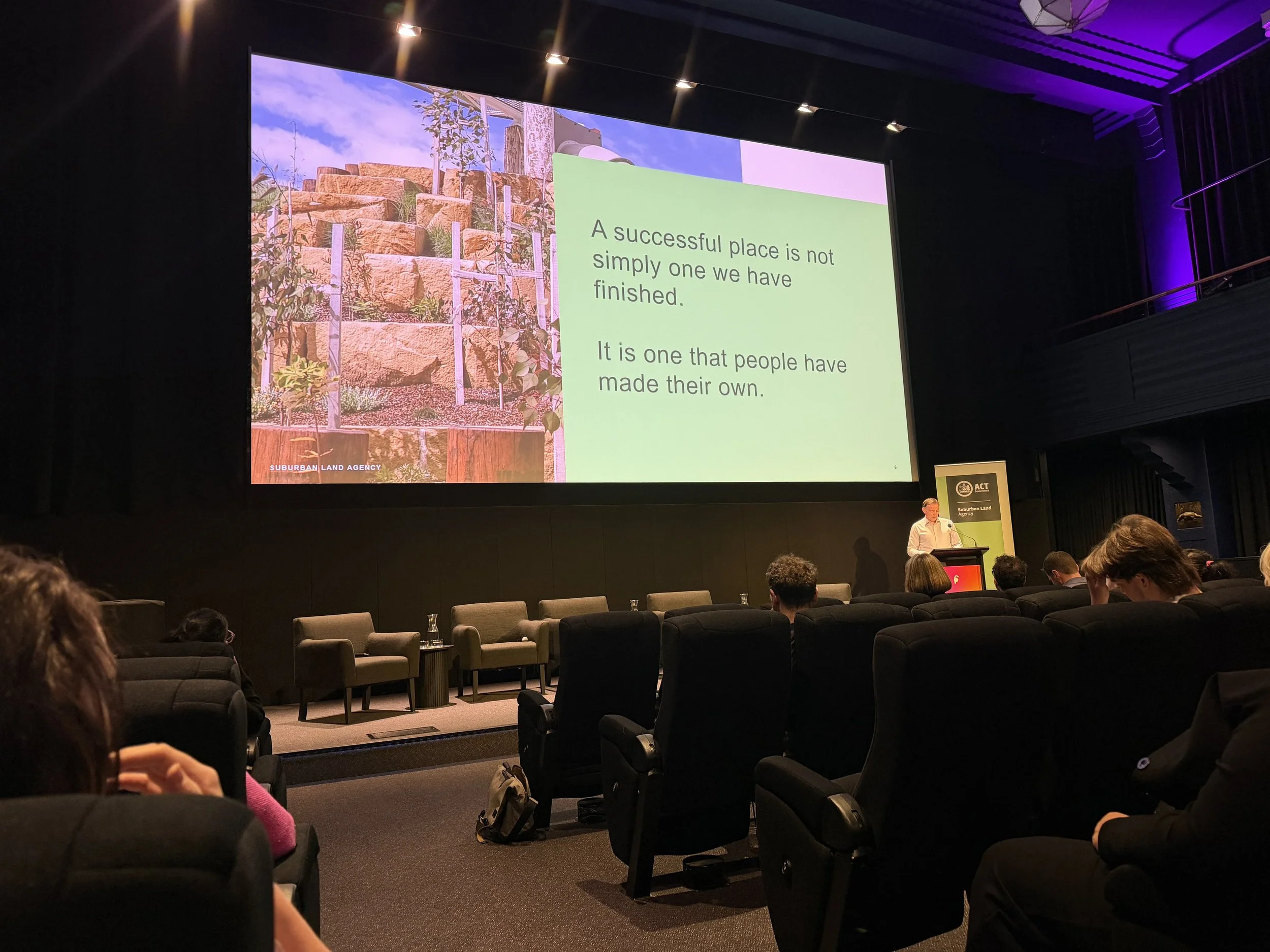
Adam Davey opening "Are We Measuring Canberra All Wrong?" at the Craft + Design Canberra Festival (image credit: Liesl Codrington)
I've been asking some version of this question since I was 11, when a family trip to Nepal had me watching kids who had very little but were clearly happy and proud of where they lived. The wellbeing of people and community is a core value within my work and why I am so passionate about social planning.
Delivery is the easy part to count
The things that matter most often show up much later, once people have moved in and started living their lives there. A delivered park is an output, while whether kids play in it, older people sit in it, and people feel welcome using it are the outcomes.
There's another layer too: how different people actually experience those outcomes, and averages can hide big differences. A city can rank highly on global liveability measures while many people in it struggle to find somewhere affordable to live, and a precinct can look busy on a visitor count while some groups quietly stay away. Those people don't show up in a count of who uses a space because they aren't there, and their absence isn't evidence that the space is working. It may be evidence that it isn't.
So the question becomes who is it liveable for, and who is it working for?
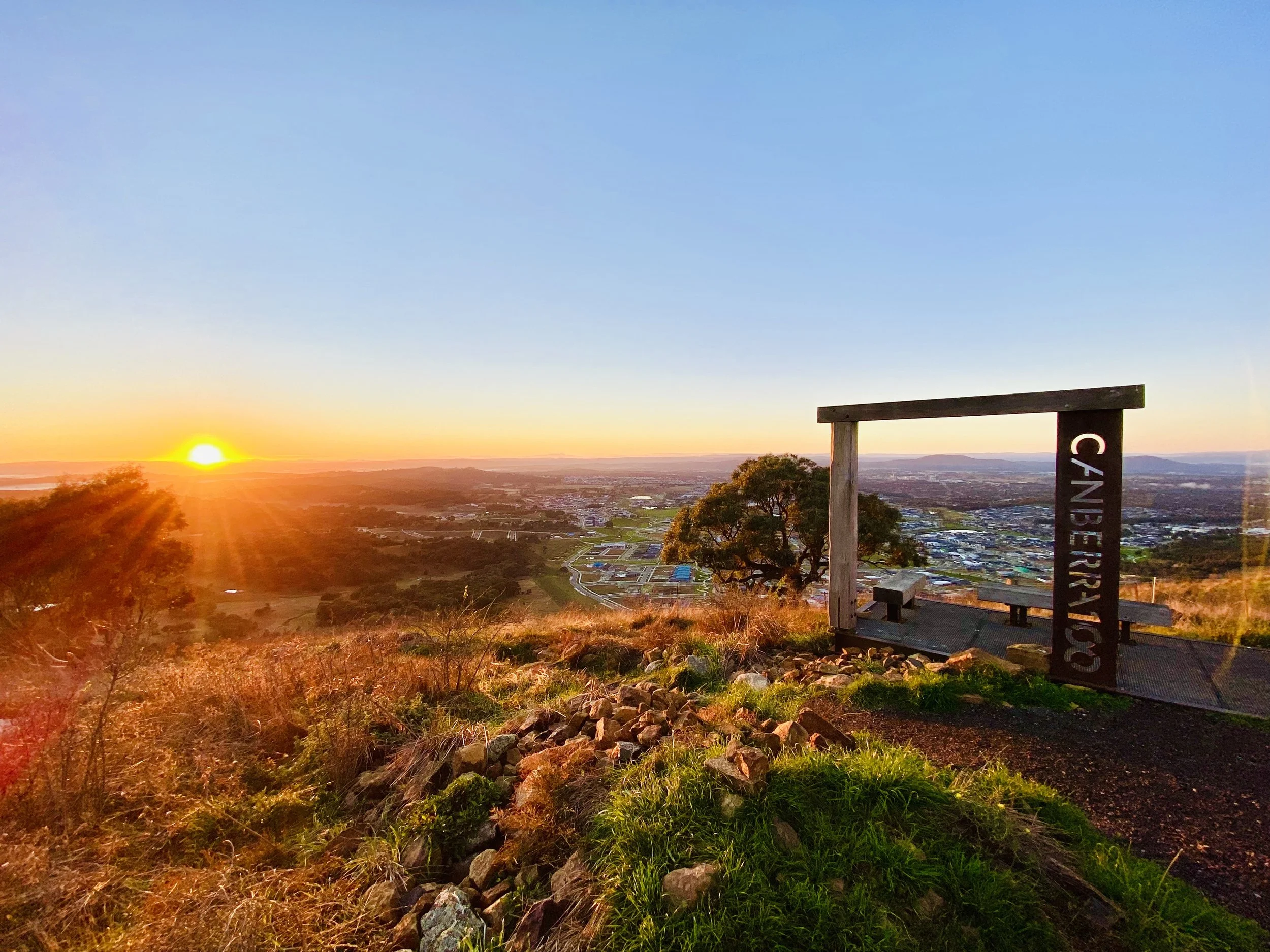
One Tree Hill at sunrise, on one of the trails around Canberra (image credit: Liesl Codrington)
What we could measure instead
We still need conventional measures, but we need others alongside them, and they don't have to be complicated.
Here's what I'd add:
Keep tracking after delivery. Post-occupancy evaluation should be part of project delivery, with the budget to match, because a place shows whether it's working over time and handover is only the start.
Break the results down by who people are. If we only look at the average we miss the people a place isn't working for, whether that's children in apartments, teenagers, older people, people with disability, renters or neurodivergent people.
Ask why, as well as how many. Counts tell you something is happening, while conversations, observation and photos can tell you why, and combining the two turns data into something we can act on.
Measure influence as well as participation. A count of consultation participants tells us very little about whether their input made a difference, so it's more useful to know what changed because of what the community told us, what didn't, and why.
Build in opportunities to adjust. Decide upfront what you'll look at, when, and what you'll change if things aren't working, so measuring, learning and adapting become part of how we plan and manage places.
One good test is whether the place gives people a reason to leave the house and run into someone.
At the end of the festival session, each speaker was asked to nominate one measure they'd use, and the answers included how many dogs get patted, how many street parties happen and how connected people feel to their neighbours. They might sound light-hearted, but each one says something real about whether people have made a place their own.
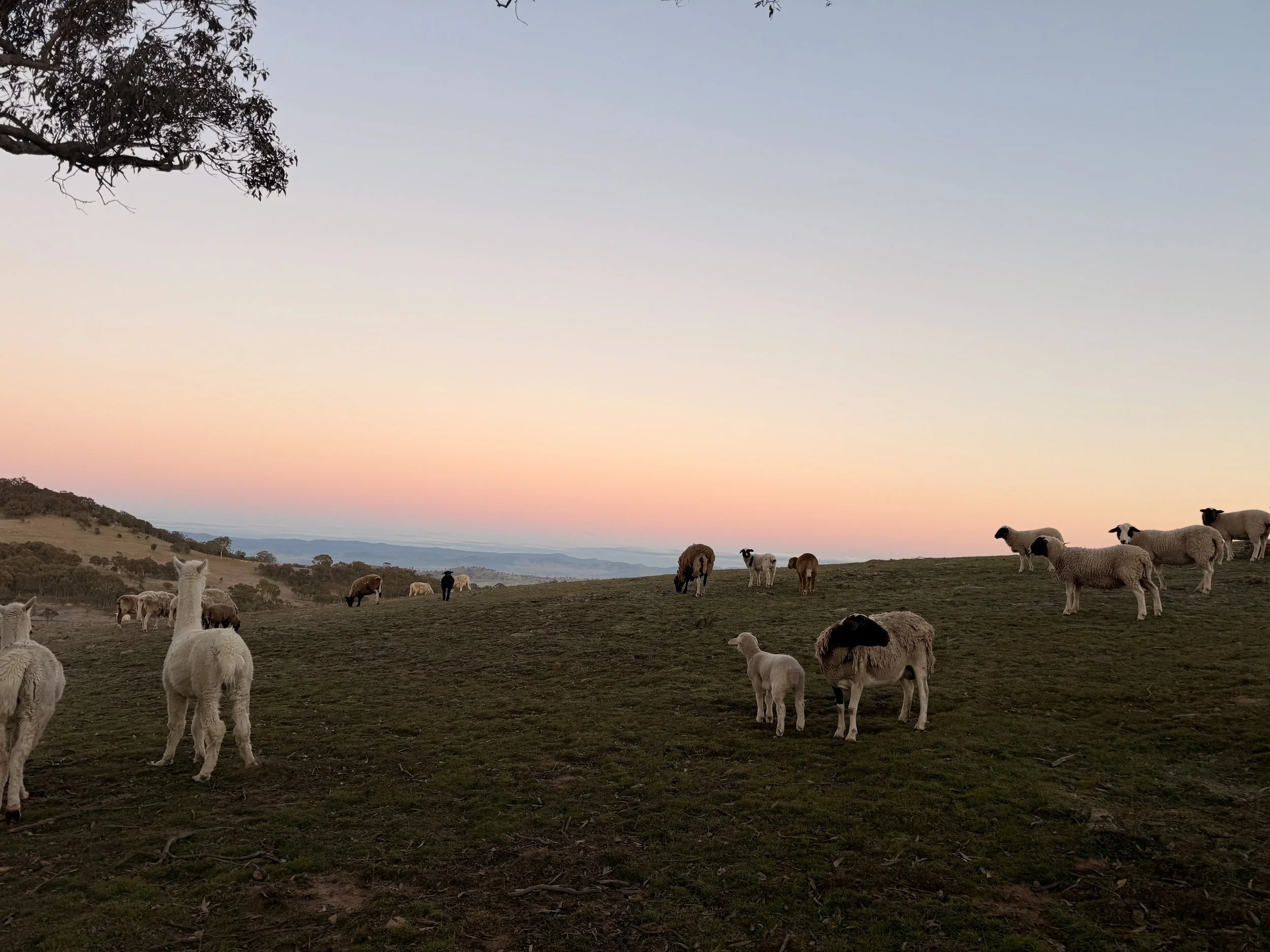
Dogs patted is one measure… can we add alpacas?!
image credit: Liesl Codrington
What this means for the projects we're planning now
Canberra already has a good wellbeing framework, so we don't need another dashboard. The question I'd ask is what changes because of the measures we already have, and whether we're actually using them when decisions get made.
For anyone planning a precinct, a suburb or a piece of social infrastructure, here's how I'd build it in from the first idea through to the years after handover:
At the strategy stage, decide what success looks like for the people who'll live there and write it into the project objectives next to the delivery targets, so it carries through every stage after.
Before anything is built, get a baseline of who lives there now and who's likely to come, so you have something to compare against later.
Through design, test the plans against what the evidence says about the people most likely to be left out, like teenagers, older people and people with disability, and adjust the design where it falls short for them.
During delivery, track how much the community's input actually changed the project, as well as how many people took part.
After handover, go back at one, three, five and ten years with the budget already set aside, and look at the results for different groups rather than the average.
Over the long term, agree who owns the findings and what would trigger a change, so the place keeps adapting as the community grows around it.
What can Vaere Social help with?
In a social impact assessment, a community needs assessment or a wellbeing assessment, I set out who the place is for, what we'll look for to know it's working for them, and when we'll check. I've also built a social sustainability framework that maps to the ACT Wellbeing Framework, so it can sit alongside the measures government already uses.
None of this replaces counting dwellings or dollars. It means we keep asking the question that matters once the counting is done, which is whether this place is working for the people who live here.
If you're working on a project and want to think through how to build this in from the start, I'd be happy to talk it through. Please feel free to reach out to me at liesl@vaeresocial.au