

Thoughts on people, place and planning
Reflections on the human side of cities — how planning, policy and design can create communities that are connected, inclusive and built to last.
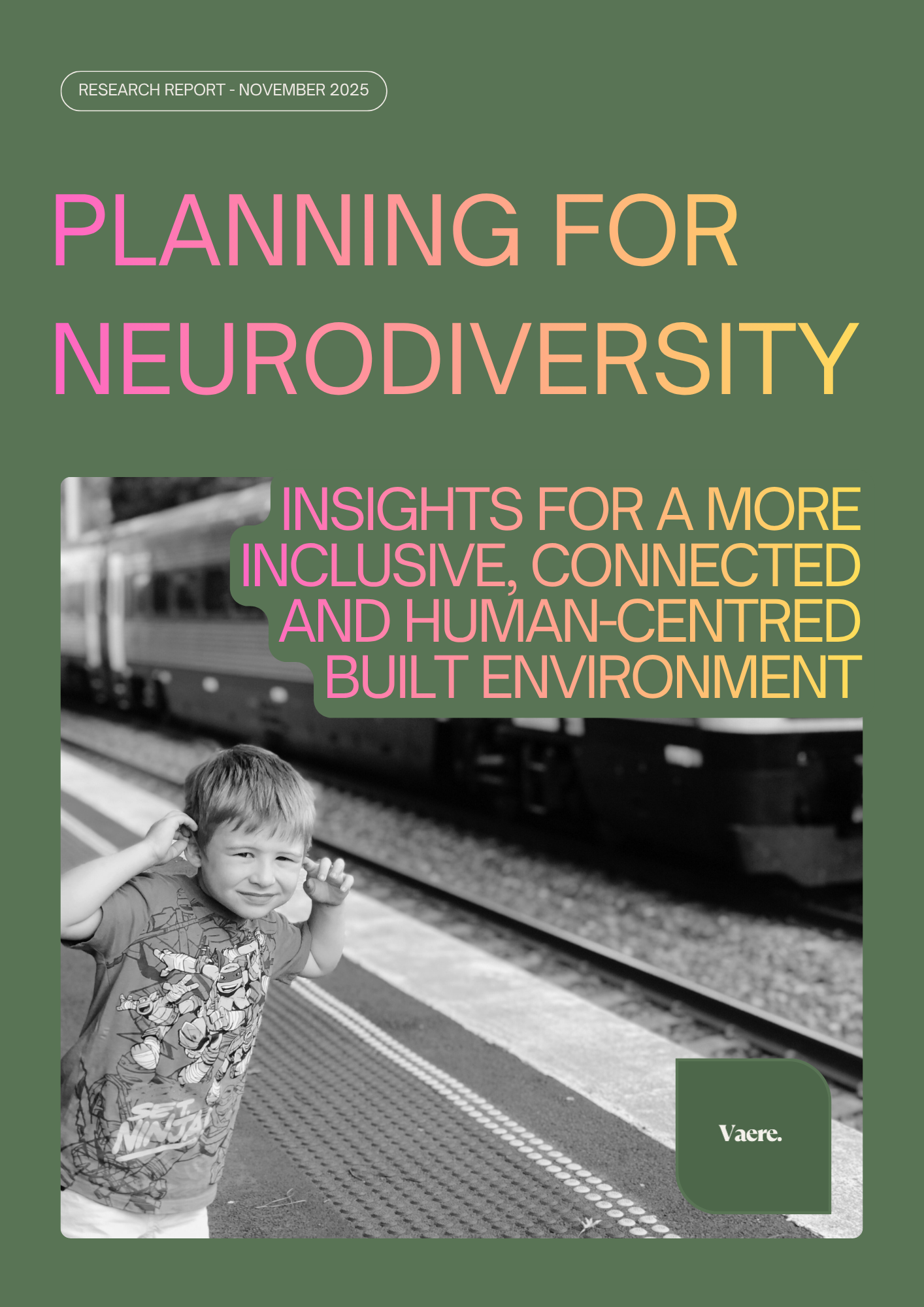
Now available: new insights paper - Planning for neurodiversity
An emerging aspect of planning and design practice is planning for neurodivergent people.
This paper brings together research and lived experience to explore how planners, designers and policymakers can better support neurodivergent communities.
Beyond supply: the case for social sustainability in Australian housing
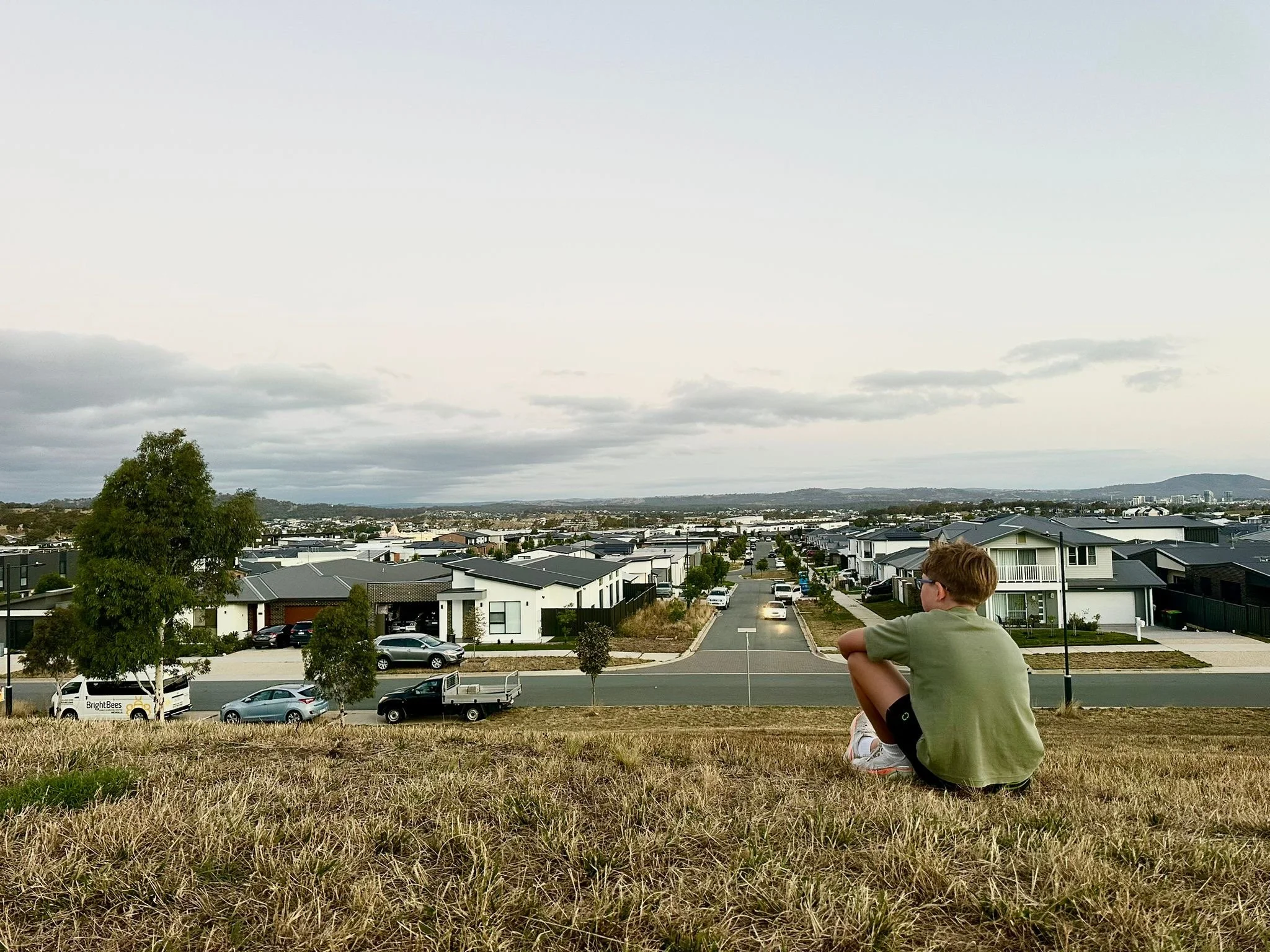
Australian housing debates often focus on supply, density, and feasibility. But a social sustainability lens reveals a different set of questions around displacement, climate vulnerability, and who cities are actually being built for.
Why human geography belongs at the heart of city planning
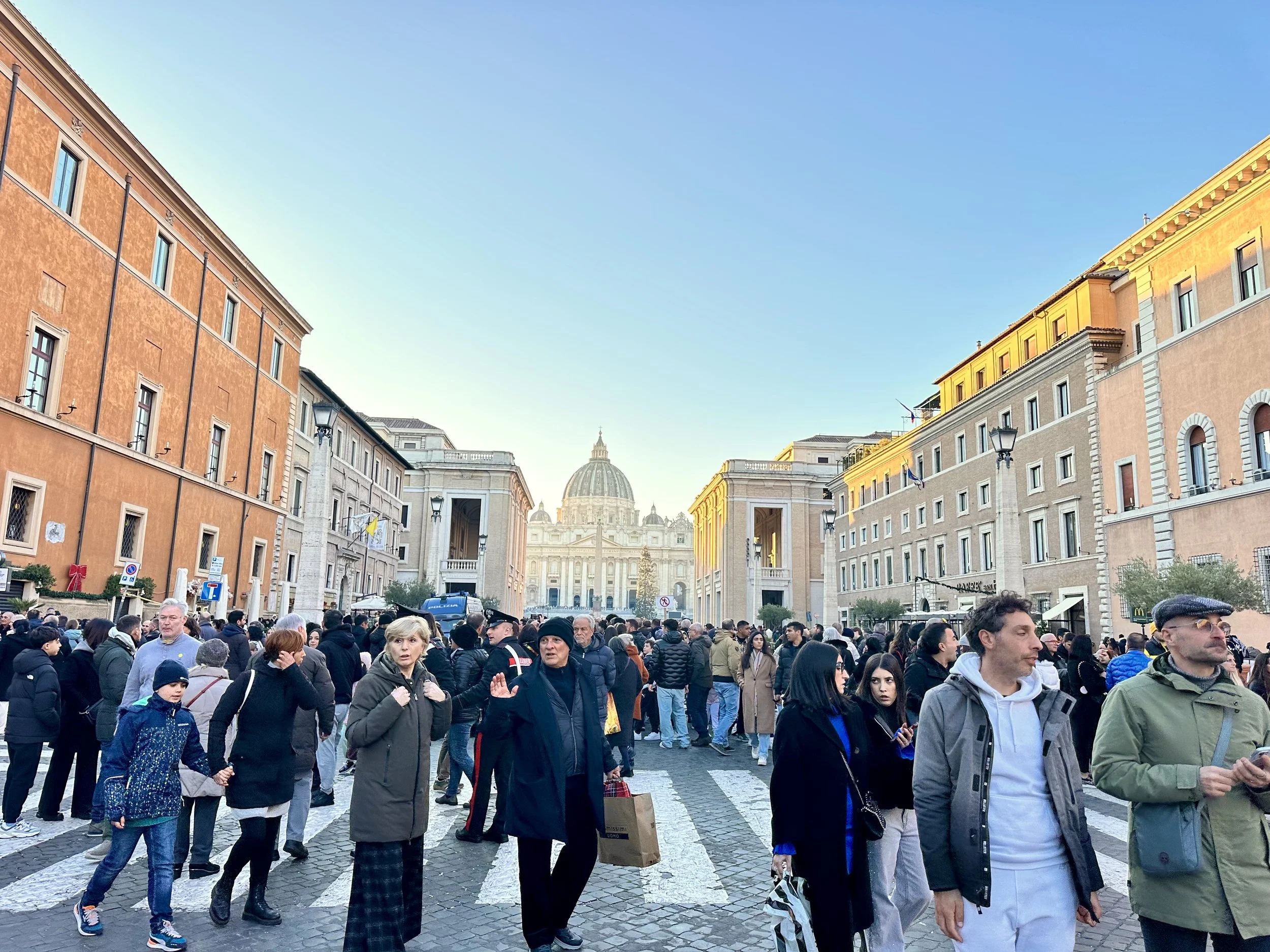
Cities are social systems, not just physical ones. Here's why human geography is the discipline planning needs most right now - and what it brings that infrastructure and economics alone can't.

Five actions to build social resilience in a changing climate
This article outlines five practical, people-centred actions for addressing the social impacts of climate change — from funding trusted community services to supporting renters, carers, and vulnerable groups often left out of adaptation planning. Grounded in lived experience and policy insight, it reframes climate resilience as a human and social priority, not just a technical one.

Understanding the social impacts of climate change
Climate change isn’t just an environmental issue—it’s deeply social. This article explores the real-world impacts on housing, health, inequality, and community support systems, and makes the case for why people and place need to be at the centre of climate resilience planning.

Designing cities for everyone: What neurodivergent people wish planners knew
How well do our cities support neurodivergent people? My research into neurodiversity and the built environment reveals critical gaps in urban design, wayfinding, and accessibility—showing how many public spaces unintentionally exclude those with cognitive differences.
From sensory overwhelm in transport hubs to navigation barriers in city layouts, neurodivergent individuals and families face daily challenges that remain overlooked in mainstream urban planning. This article explores the key findings, the real-life impact of poor design, and practical ways to make cities more inclusive.